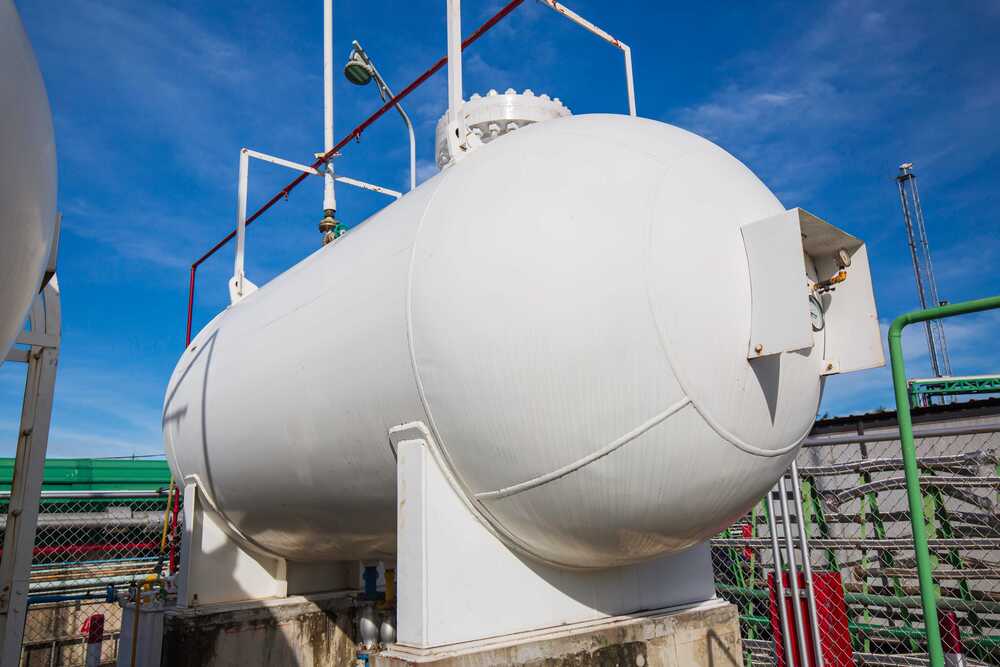
Commercial Propane Tank Sizes: Which Is Best For Your Business?
Quick SummarySelecting the right commercial propane tank size requires matching storage capacity to actual consumption patterns, delivery logistics, seasonal demand peaks, and site-specific regulatory requirements. Tanks range from under 500 gallons for small commercial operations to tens of thousands of gallons for large industrial facilities, with each size tier suited to different business types and usage profiles. Above-ground and underground installations each carry distinct trade-offs in cost, compliance, and maintenance. Working with an experienced commercial propane supplier simplifies the sizing, installation, and ongoing service process significantly. |
Propane tank sizing is one of the most practical decisions a commercial facility makes, and it is also one of the most frequently underestimated. Understanding commercial propane tank sizes is important because a tank that is too small can lead to frequent deliveries, potential outages, and higher per-gallon costs. A tank that is too large can tie up capital and space in storage infrastructure that is not necessary.
Getting the size right from the start saves money, reduces operational friction, and keeps propane supply aligned with actual demand across every season.
Why Tank Size Is a Business Decision, Not Just a Technical One
The choice of tank size shapes how a business interacts with its fuel supply at every level. Delivery frequency, pricing per gallon, space requirements, permitting, and installation costs all connect back to tank capacity. Businesses that treat tank sizing as a logistical afterthought often find themselves renegotiating delivery schedules or dealing with avoidable outages within the first year of operation.
Commercial propane tank services exist specifically to help businesses navigate these decisions. A qualified supplier assesses current consumption, projected growth, and seasonal variation before recommending a tank size, rather than defaulting to a standard option that may not fit the facility’s actual profile.
Common Commercial Propane Tank Sizes and Their Applications
120 to 500 Gallon Tanks
These tanks appear most commonly in small commercial operations, restaurants, and light agricultural settings. A 120-gallon tank suits low-demand applications like supplemental heating or a single commercial cooking line. A 500-gallon tank provides enough capacity for a mid-sized restaurant, a small greenhouse, or a light manufacturing operation with moderate propane needs.
At this range, delivery frequency tends to be higher, which means businesses should confirm that their supplier can accommodate the scheduling demands without long lead times between orders.
500 to 1,000 Gallon Tanks
This range serves a wide band of commercial users: larger restaurants, agricultural operations, light industrial facilities, and commercial buildings with propane-fired heating systems. A 1,000-gallon tank reduces delivery frequency significantly compared to smaller tanks, which matters most during peak winter months when demand is highest and delivery logistics are most strained across the supply chain.
For businesses using propane and heating oil for businesses in combination, this tank range often handles propane for process or backup applications while a separate heating oil system manages primary space heating.
1,000 to 2,000 Gallon Tanks
Larger agricultural operations, manufacturing plants, and multi-building commercial campuses fall into this range. A 2,000-gallon tank at a grain drying operation, for example, can sustain high-demand periods without requiring back-to-back deliveries during the busiest weeks of the harvest season. These tanks are almost always above-ground units installed on concrete pads, and they require setback compliance from buildings and property lines per local fire codes.
Tanks Over 2,000 Gallons
Industrial facilities, large-scale agriculture, and businesses running propane-powered generators or fleet operations often need tanks in the 2,000 to 30,000-gallon range. At this scale, commercial propane tank delivery involves specialized transport equipment and site preparation. Underground installation becomes more common for aesthetic or space reasons, though it carries higher installation costs and different regulatory requirements than above-ground units.
Above-Ground vs. Underground Tanks
Above-ground tanks are less expensive to install, easier to inspect, and simpler to service or replace. They are the standard choice for most commercial applications where visual appearance is not a primary concern and space allows for compliant setback distances.
Underground tanks eliminate above-ground visual footprint and protect the tank from surface weather and vehicle impact. They are popular in urban commercial settings and properties where appearance standards apply. The trade-off includes higher installation cost, more complex leak detection requirements, and the need for professional excavation during tank replacement.
Both options remain viable depending on the business’s location, local regulations, and operational preferences. A commercial propane supplier with experience in commercial propane tank services will walk through both options and their implications before any installation begins.
How to Calculate the Right Tank Size for Your Business
The most reliable approach starts with historical consumption data. If a business has been using propane for at least one full year, average monthly usage across seasons gives a solid baseline. Multiplying peak monthly consumption by the desired number of days between deliveries gives a working minimum tank size.
Businesses without consumption history can work backward from equipment specifications. Every propane appliance carries a BTU rating, and converting BTU output to gallon consumption over operating hours gives an estimate. A commercial propane supplier runs these calculations routinely and can help new facilities arrive at a reasonable starting point even without historical data.
Growth projections matter as well. A business planning to expand its production floor or add heating to a new building section in the next two years should factor that into tank sizing now rather than replacing a tank prematurely.
Regulatory and Safety Considerations
Propane tank installation falls under National Fire Protection Association standards as well as state and local codes. Setback requirements from buildings, property lines, and ignition sources vary by tank size. Tanks over a certain capacity require permits and inspections before and after installation, and in some municipalities, ongoing annual inspections apply.
Businesses that rely on commercial propane tank delivery from an experienced supplier benefit from having those regulatory requirements handled as part of the installation process rather than navigating them independently.
Get Expert Guidance on Commercial Propane Tank Sizing
At Aero Energy, we help businesses across Pennsylvania and Maryland select, install, and service the right propane tanks for their operations. With over 90 years in the industry and commercial accounts across a wide range of sectors, our team knows how to match tank capacity to real-world demand. Reach out and we will assess your facility’s needs from the ground up.
Contact Aero Energy to discuss commercial propane tank sizing and delivery for your business.
FAQs
How often does a commercial propane tank need to be inspected?
Commercial propane tanks should be inspected regularly, with requirements varying based on tank type and local regulations.
Can a commercial propane tank be upgraded to a larger size without replacing the entire installation?
In some cases, additional tanks can be added to increase capacity without replacing the existing system.
What happens if a commercial propane tank is consistently running low before each delivery?
Frequent low fuel levels often indicate that the tank is undersized or deliveries need to be scheduled more often.